
Our Learning
Our TSS curriculum brings ākonga learning to life, celebrating our kura values, culture and identity. Encapsulating our vision Hei Ako Tahi - Learning Together, it has been developed in partnership with parents, caregivers, whānau, local iwi and hāpu.
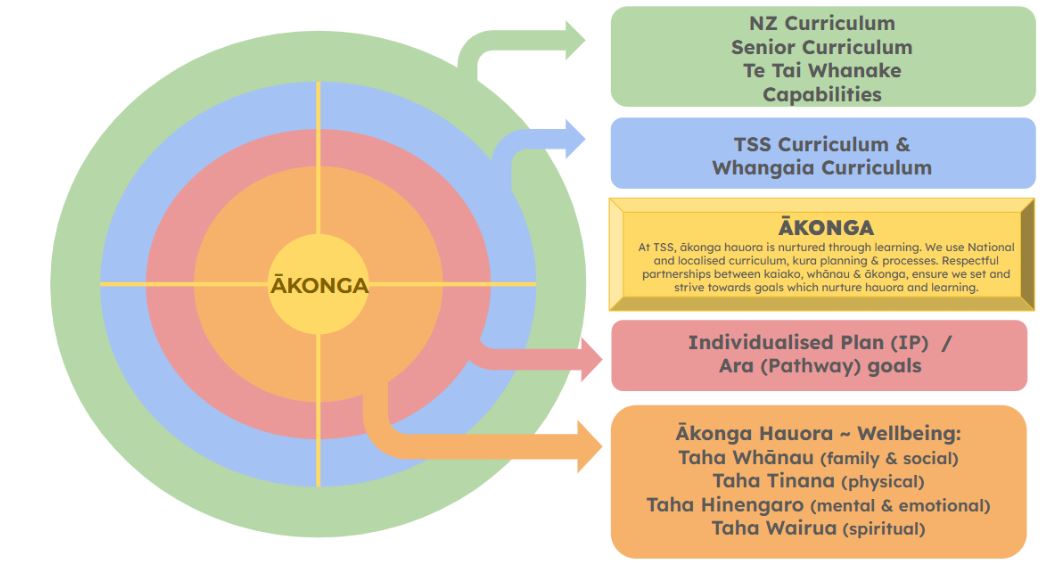
At TSS, we place ākonga at the heart of our curriculum, using Sir Mason Durie’s Te Whare Tapa Whā (1982) model to ensure wellbeing is woven through every learning experience.
We believe success looks different for each individual; therefore, we provide a highly personalised, strengths-based curriculum that prioritises hauora-wellbeing, including readiness for learning, to meet the unique needs of every ākonga.
The TSS Curriculum
Our TSS Curriculum provides a conceptual framework . Our ākonga are strengthened by their hauora. Through IP (Individual Programs) or Ara (Pathway) and related goals, each of the four taha is enriched. Ākonga hauora and individual goals are further strengthened by our TSS Whāngaia Curriculum, including Te Tai Whanake. Finally, our TSS Whāngaia, Capabilities and Te Tai Whanake are the tools through which we bring to life the Refreshed NZ Curriculum through Te Mātaiaho and our school’s Senior Curriculum.
Our curriculum focuses on developing the transferable skills that equip ākonga for each stage in education and life beyond school as confidently and independently as possible.
Our curriculum ensures all our ākonga will be empowered to learn with and alongside others by engaging in experiences that have meaning for them. This requires kaiako to actively respond to the strengths, interests, abilities and needs of each child.
All our ākonga learn in their own way, which means there can be wide variation in the rate and timing of learning and in developing the capacity to apply new knowledge and skills in different contexts. Our ākonga’s capabilities often fluctuate from day to day. Within minutes they can be both dependent and independent, influenced by temperament, health, the environment or people’s expectations. Our curriculum for our ākonga must be flexible enough to accommodate these fluctuations, providing familiar experiences alongside new opportunities for exploration and challenge.
At TSS, we are dedicated to providing an inclusive, future-focused education that honors the unique neurodiversity and potential of all our ākonga.
We are proud to confirm that our teaching and learning is fully aligned with the refreshed New Zealand Curriculum, Te Mātaiaho, and prioritises evidence-based approaches to Structured Literacy and Numeracy.
Te Mātaiaho
The refreshed curriculum, Te Mātaiaho, is designed to be inclusive, clear, and consistent. For our students, this means:
- Progress Outcomes: We use the new curriculum "phases" to track progress in a way that celebrates every step of success, focusing on what students understand, know, and do.
- Whakapapa & Identity: We weave each student’s identity and culture into their daily learning, ensuring a strong sense of belonging.
- Te Tiriti-led Practice: Our environment reflects the partnership between Tangata Whenua and Tangata Tiriti.
Structured Literacy
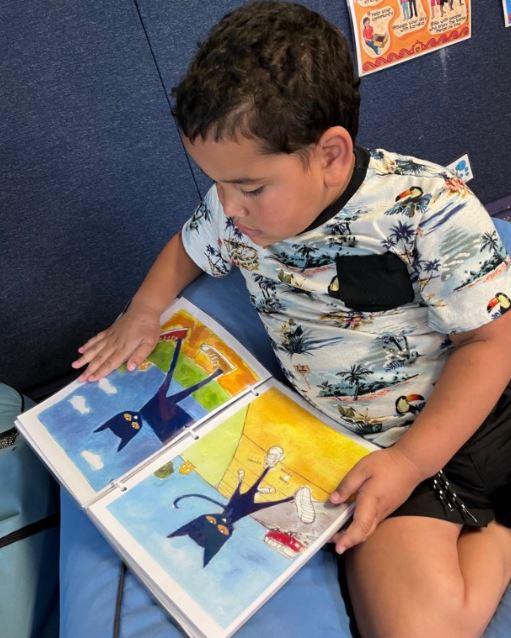
In 2026, we have implemented a Structured Literacy approach school-wide, primarily utilising the Better Start Literacy Approach (BSLA).
Developed by the University of Canterbury, BSLA is a world-class framework tailored for the Aotearoa context who have developed a specialist model for ākonga with complex communication and learning needs across the specialist school network in New Zealand. The approach includes:
- The Science of Reading: We focus on the critical links between oral language, phonological awareness (hearing sounds), and letter-sound knowledge.
- Explicit & Systematic: Skills are taught in a logical, step-by-step sequence that builds confidence and prevents "learning gaps."
- Multi-sensory Engagement: Our specialist staff adapt BSLA to suit the communication profiles of our students, including those who use AAC (Augmentative and Alternative Communication).
Our school ensures that all ākonga experiences literacy at their level, enhancing their communication and engagement with the curriculum in relevant and meaningful contexts. At Tauranga Special School, all ākonga have an IP or Ara goal that has a long term communication goal which is evidenced in their IP/Ara document and teacher planning.
Structured Maths
Mathematics at TSS follows a Structured Mathematics approach, centered on the Numicon program. Numicon is a multi-sensory approach that makes abstract mathematical concepts "real" through physical shapes and patterns.
- Concrete-Pictorial-Abstract (CPA): We use Numicon’s tactile shapes (Concrete) to build mental imagery (Pictorial) before moving to written numbers (Abstract).
- Breaking Barriers: For our ākonga and their unique learning needs, we are using the Numicon: Breaking Barriers framework, which breaks math down into small, manageable steps.
- Functional Math: We prioritize "Living Maths"—using Numicon to teach essential life skills like counting, time, money, and measurement.
Mathematical skills and concepts will be taught based on ākonga’s experiences and prior knowledge. They will be presented in a variety of visual, aural, tactile and kinaesthetic ways, within the context of everyday experiences, interests and events meaningful to them. Akonga have the opportunity to explore a wide variety of mathematical ideas appropriate to their capabilities and relevant to their needs.
Science
Learning in science is fundamental for our students to understand the world in which they live and work. The nature of science promotes open mindedness and questioning. Students will have opportunities to extend knowledge and understanding of the familiar world, and be supported to explore and act on issues and questions that link their science learning to their daily living.
- Sensory Exploration: For many of our ākonga, science is about experiencing the world—observing changes in materials, exploring the school garden, and understanding cause and effect.
- Observation & Inquiry: We use visual schedules and adapted tools to help students make sense of natural phenomena, from the weather to the life cycles of local wildlife.
- Sustainability: We emphasize Kaitiakitanga (guardianship), teaching our students how to care for their immediate environment.
Social Science
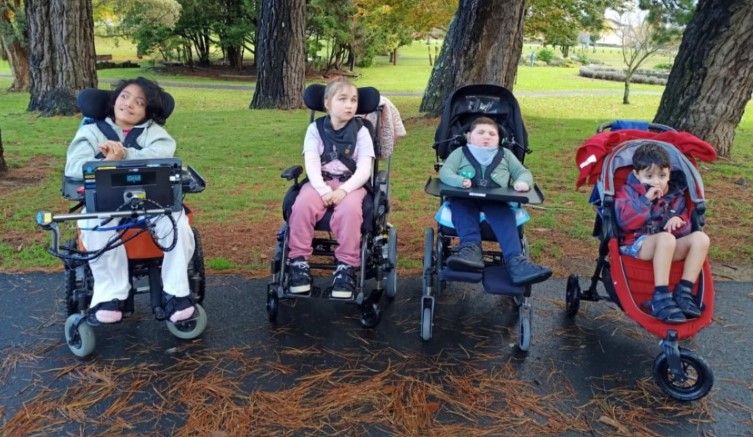
This learning area is about how societies work and how people are able to participate as critical, active informed citizens. At TSS we focus on belonging and participation.
- My Place in the World: We start with the student—their whānau, their school, and their local community—building an understanding of how they belong to a wider story.
- Participation & Agency: We empower students to make choices and understand their rights, fostering independence and social connection.
- Stories of Aotearoa: We use sensory storytelling, visits to local sites of significance, and pūrākau (stories) to explore the history and cultures of our land in an accessible way.
Health and PE
Health and Physical Education learning at TSS occurs through explicit planning for curriculum delivery as well as planning for holistic wellbeing using Te Whare Tapa Whā. We recognize that for our ākonga, emotional regulation and both emotional and physical safety are the foundations of all learning.
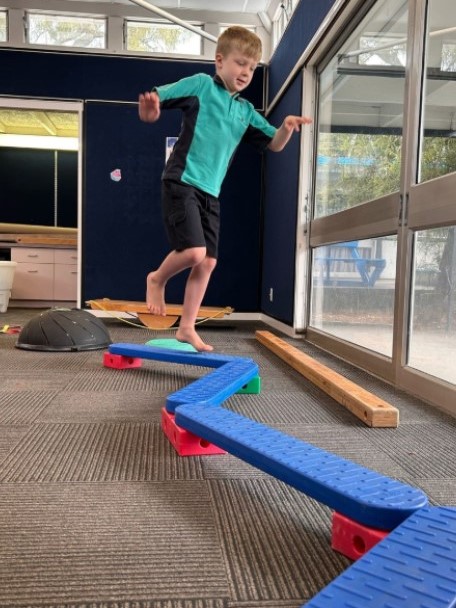
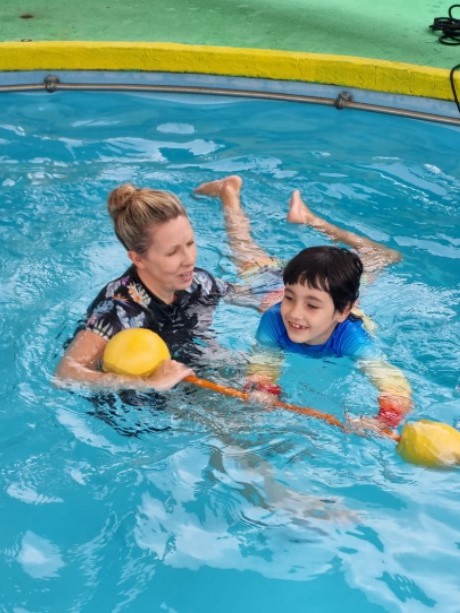
- Physical Development: We provide adapted physical activity programs that focus on gross motor skills, coordination, and the joy of movement. Our therapy team is integral in supporting these programs. We also partner with Healthy Active Learning (Sport BoP) to support staff learning and encourage dynamic curriculum delivery.
- Personal Growth & Safety: Our learners are actively engaged in learning about self-care, body awareness, and emotional regulation, including Zones of Regulation and Mauri Tau on a daily basis. Their routines at kura do not exist by chance, or for class management. Routines are designed and used to offer consistency of learning and support for practical, functional skill-building, so our ākonga can confidently and successfully navigate their world safely.
- Relationships: Our ākonga are unique; their individual goals and priorities regarding relationships vary. Our ākonga learn about relationships and through relationships, and at TSS our role is to facilitate understanding, and build knowledge and skills in ways that align to our ākonga strengths, needs and wants.
Senior Curriculum (Post 16)
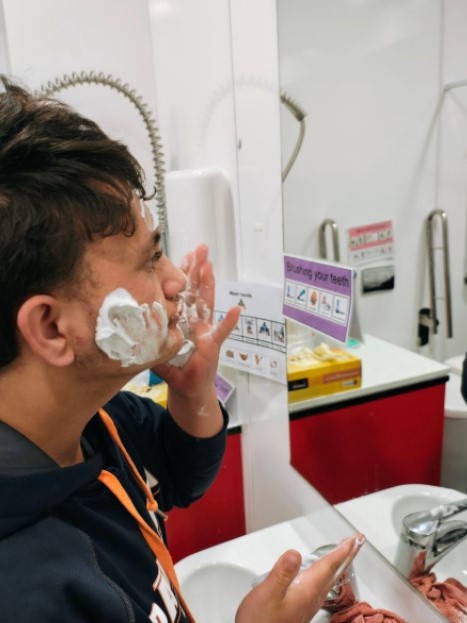
The Senior Curriculum marks a transition from general subject areas to functional life skills and community participation. Our Senior ākonga follow our Whāngaia curriculum. The five areas of the Whāngaia curriculum encompass the skills and knowledge whānau want for their mokopuna to be as independent as possible and leave school with skills to become active members of their community.
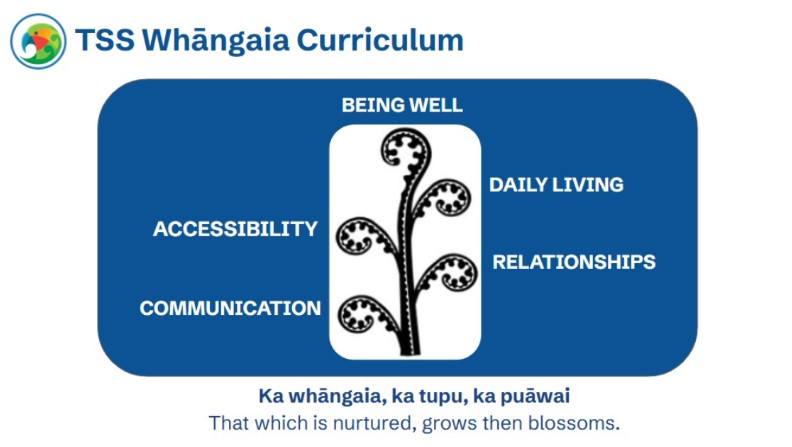
These senior pathways are not "one size fits all." Each ākonga and their unique needs dictates which of these strands takes priority, ensuring that their final years of schooling are relevant, dignified, and empowering. The curriculum and learning for each ākonga is underpinned by their Ara (pathway) goals and transition plans when they are nearing the end of their school journey.
SPEC
As part of our Senior Curriculum, TSS also offers the South Pacific Education Courses (SPEC) modules to our Senior ākonga.
The modules have been written in New Zealand to support teaching the New Zealand Curriculum and the learning needed to prepare our students for life beyond school.They have been developed to create relevant and meaningful material to enhance learning and to provide opportunities for personal growth and success.
SPEC has had one of its programmes approved to qualify for the NZQA level 1 qualification NZ Certificate in Skills for Living for Supported Learners.
SPEC Mission Statement
“For students to experience success through the application of high quality, relevant teaching resources that enable clear demonstration of their abilities in the New Zealand curriculum framework. To equip facilitators to deliver the programme, through high quality training and development. The focus on the development of Key Competencies which are accessible to all stakeholders, and programmes that ensure equal opportunities, and give regard to the Treaty of Waitangi make SPEC programmes a valuable contribution to existing curriculum subjects. Valuing all young people in school and beyond into adulthood without prejudice and providing a holistic approach to learning enhances self esteem, self motivation and self confidence crucial to success and a sense of worth and personal growth. SPEC is a people’s programme with a focus on individual interaction”.